


- Shop
- About us
- DSLocate App
- Your industry
- FAQ
- Blog
- Contact
-
Monitoring for
 sales representatives
 service technicians
 delivery drivers
 vehicle rental companies
 distributors
 construction machinery
 forklifts
 waste containers
 agricultural machinery
 trailers
 refrigerated vehicles
 municipal vehicles
 trucks
 buses
buses boats
boats people and objects
 theft protection
 mobile objects
Comparing telematics systems: choose the ideal solution for your fleet
09.04.2025
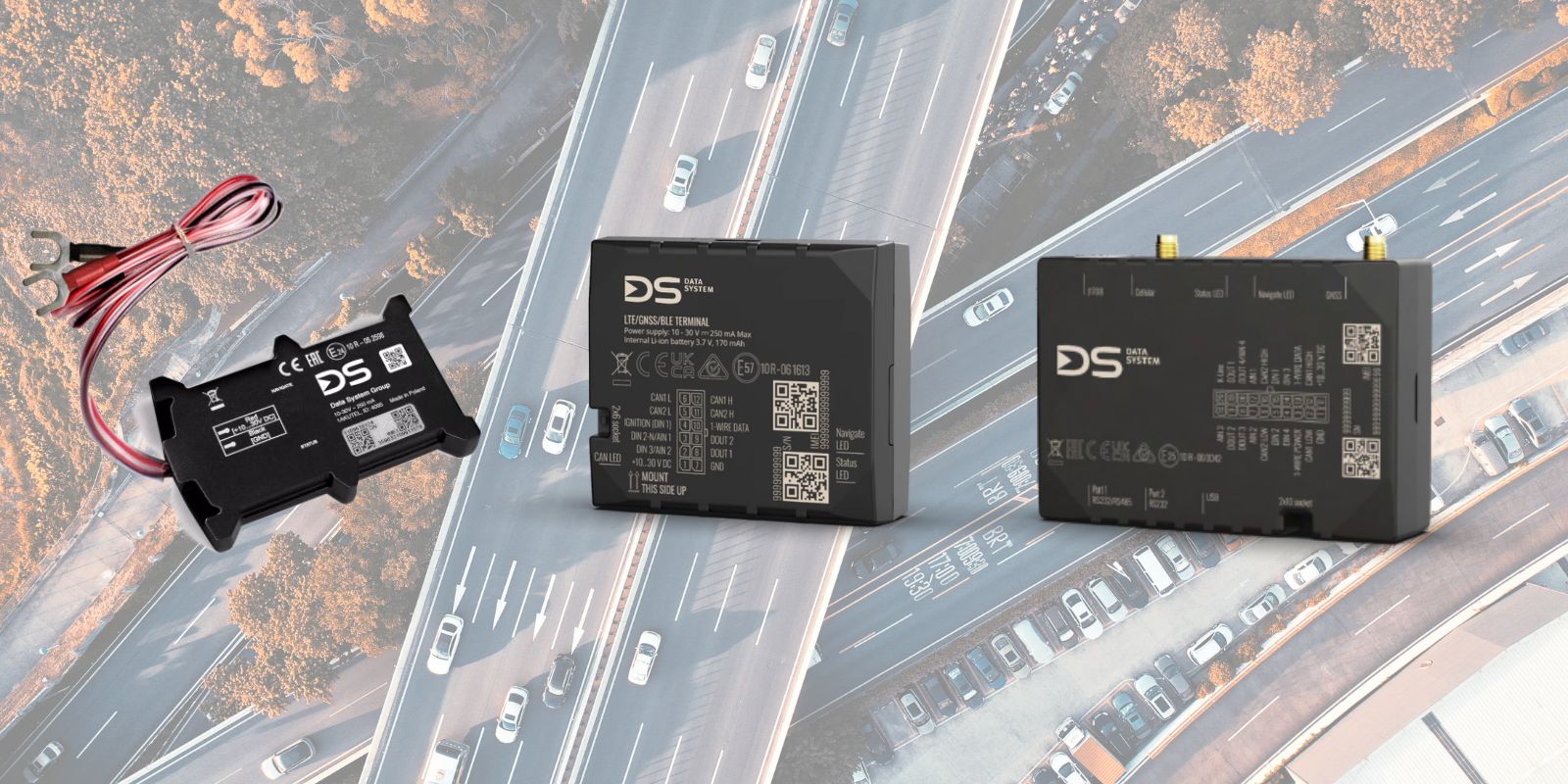
Managing a vehicle fleet in a transport company requires modern and precise tools that support cost optimisation and improve its operational efficiency. Telematics systems are a key element in vehicle monitoring, data analysis and the automation of administrative processes. In this article, we compare three types of solutions: basic GPS e-TOLL systems, intermediate ones with CAN data reading, and the most advanced, enabling remote tachograph reading.
Basic GPS Systems – Functionality and Application
Basic GPS systems integrated with e-TOLL are an excellent solution for companies that need simple yet effective fleet management tools. These systems have been designed with ease of use and the automation of processes such as toll fee settlement in mind. Thanks to them, transport companies can significantly reduce the workload associated with registering journeys on toll sections and avoid errors resulting from manual data entry. Real-time vehicle location additionally increases control over the fleet and allows quick responses to unforeseen situations on the route.
e-TOLL GPS systems are particularly attractive for companies that manage small fleets and want to minimise technology implementation costs. The installation of these devices is quick and uncomplicated, and the intuitive DSLocate application interface allows easy use even by people without experience of advanced telematics systems. Thanks to features such as real-time vehicle location and access to route history, entrepreneurs gain not only a tool for billing journeys but also basic support for monitoring vehicle activity.
Despite their many advantages, basic GPS systems have certain limitations. They do not offer advanced features such as driving style analysis or fuel consumption monitoring. They are focused mainly on basic needs related to location and road tolls, which may be insufficient for companies seeking more comprehensive solutions. However, for many small enterprises and locally operating fleets, these features are entirely sufficient and fit their needs well.
Advantages:
- Simple installation and low implementation cost.
- Automated e-TOLL settlement, saving time and eliminating errors.
- Ease of use for small fleets and basic fleet management needs.
Disadvantages:
- No access to advanced vehicle condition data.
- Limited analytical functions and lack of support for more complex operational processes.
In summary, basic GPS systems integrated with e-TOLL are an ideal choice for companies that need a simple, effective and affordable solution for vehicle monitoring and automatic road toll settlement. They are particularly useful for small fleets and local businesses that are just starting to use GPS technology in their fleet management.
Intermediate Systems – with CAN Data Reading
Intermediate GPS systems, such as DS/CAN, represent a step forward in vehicle fleet management through integration with the CAN bus. These solutions enable precise access to fuel consumption data, allowing accurate monitoring of operating costs. Reading from the vehicle's float sensor provides detailed information on fuel level and consumption, and for more demanding needs an additional fuel probe can be installed, further increasing measurement precision.
CAN reading systems also offer the ability to monitor driver driving style, which is extremely useful for optimising fleet operations. Driving style analysis — for example frequency of accelerations, idling or engine RPM — provides valuable information that can be used for driver training and the implementation of more efficient road practices. This makes the fleet more efficient and reduces operating costs.
Reporting and data analysis is another area where these systems stand out from basic solutions. The ability to generate detailed reports on fuel consumption, vehicle operating time or downtime allows fleet managers to make informed decisions based on reliable information. CAN systems also enable the prediction of service needs based on mileage and vehicle usage history, which can prevent costly breakdowns and unplanned downtime.
Intermediate GPS systems are particularly beneficial for companies that manage medium or large fleets and need more advanced analytical functions than those available in basic solutions. Although installation and maintenance costs are higher than for e-TOLL systems, this investment pays off through the ability to reduce operating costs and manage the fleet more effectively.
Advantages:
- Accurate fuel consumption data based on CAN readings or an optional fuel probe.
- Ability to analyse driver driving style, supporting driving improvement.
- Advanced cost and fleet performance reporting.
Disadvantages:
- Higher installation and operating costs compared to basic systems.
- Full functionality requires additional components such as a fuel probe.
Intermediate GPS systems, such as DS/CAN, offer an ideal compromise between functionality and cost. They are an excellent choice for companies that want not only to monitor vehicle location but also to more accurately manage operating costs and improve fleet efficiency. Thanks to these solutions, enterprises gain better control over expenditure and more advanced management support tools.
Advanced Systems – Remote Tachograph Reading
The most advanced systems, such as DS/TACHO, constitute a comprehensive tool for companies managing international fleets. Thanks to remote tachograph reading technology, companies can fully automate processes related to monitoring driver working hours and compliance with legal regulations. An important element of this system is the elimination of the need to physically download data from tachographs, which significantly shortens the time needed to fulfil administrative and logistical obligations.
Remote tachograph reading allows continuous monitoring of driver work, including remaining driving time, required breaks and the timing of the nearest rest periods. This allows fleet managers to better plan routes and driver working hours, minimising the risk of regulatory violations and potential financial penalties. The system is also compliant with data archiving requirements — all information is automatically saved in digital form and is accessible at any time via the DSLocate application.
An additional advantage of DS Tacho is the ability to automatically calculate driver allowances for international haulage. The system uses remote data to accurately calculate allowances, taking into account differences in rates applicable in different countries. This solution not only saves time for administrative departments but also reduces the risk of errors associated with manual cost calculations.
Remote tachograph reading is particularly useful for large fleets that frequently travel on international routes. Full integration with the DSLocate application provides access to real-time data, enabling quick responses to unforeseen situations such as vehicle breakdowns or route changes. Although the system involves higher initial costs, its analytical capabilities, automation and regulatory compliance make it a cost-effective choice for companies striving for maximum operational efficiency.
Advantages:
- Elimination of manual tachograph data downloading, saving time and simplifying administrative processes.
- Compliance with legal requirements for data archiving and observance of driver working time standards.
- Automatic calculation of driver allowances for international haulage.
- Full integration with the DSLocate application, enabling real-time data access and advanced fleet management.
Disadvantages:
- Higher initial costs associated with system installation and configuration.
- The need to ensure appropriate technical support for full utilisation of system functions.
Advanced systems such as DS Tacho are an indispensable tool for companies managing large fleets on international routes. Thanks to automation, time savings and the ability to accurately monitor data, these systems significantly improve the efficiency and safety of fleet operations, while also making it easier for companies to comply with legal regulations.
How to Choose the Right System for Your Fleet?
- Nature of operations
Consider whether your company operates locally, nationally or internationally. For international haulage, features such as remote tachograph reading and automatic allowance calculation will be key. - Cost control
If cost optimisation is a priority, choose systems with CAN reading or a fuel probe, which allow accurate fuel consumption monitoring and lower operating costs. - Driver monitoring
For companies wishing to improve driver economy, systems that analyse driving style, such as DS/CAN, are worth considering, as they support more efficient fleet management. - Operational complexity
If your operations are complex, for example involving international transport or excisable goods, opt for advanced GPS systems with comprehensive reports and integration with other tools. - Compliance and scalability
Choose a system that complies with data archiving regulations and is easy to expand, e.g. with fuel monitoring or tachograph functions in the future. - Budget vs. benefits
Consider not only the initial cost but also potential savings on fuel, administration or avoiding fines for regulatory violations.
In summary, the ideal GPS system is one that supports the achievement of your company's objectives, offering efficiency, regulatory compliance and flexibility in adapting to changing needs.
Technology and telematics are playing an ever-greater role in fleet management, regardless of its size and scope of operations. Choosing the right system should be tailored to the company's needs and specific fleet requirements. Data System offers GPS solutions at every level of advancement, providing comprehensive support for local and international transport.
Looking for a trusted GPS and telematics system provider for your company? Contact us today!
biuro@datasystem.pl
801 88 77 88